

Speakers
Keynote Speakers
-
Dr May Sharpe
PAUL SCHERRER INSTITUTE (PSI), SWITZERLAND
Read More
May Sharpe (née Marsh) received her bachelor degree in Biochemistry from the University of Sussex in 2004 and in 2008 she completed her PhD in Structural Biology at the University of Bristol. During her PhD she spent one year working at the Novartis Institute for Biomedical Research in Basel. Together with Allan D’Arcy she developed the micro seed matrix screening technique for crystallisation optimisation. In 2008 she moved to the University of Cambridge to join the groups of Professor Sir Tom Blundell and Professor Marko Hyvonen’s working as part of an inter-departmental Wellcome Trust seeded drug discovery initiative to develop protein-protein interaction inhibitors using fragment-based approaches. In 2012 she joined the Macromolecular Crystallography (MX) in the Swiss Light Source (SLS) and since 2018 she has been working as the Group Leader of the MX Samples group, a section of the MX group responsible for protein crystal growth and delivery. Her group is responsible for the running of the PSI Crystallisation Facility and the SLS Fast Fragment and Compound Screening (FFCS) pipeline.
May’s scientific interests include protein crystallisation method development, particularly the use of seeding; fragment screening using X-ray crystallography, and the development of new methods for delivering crystallographic samples to the beam at synchrotron and XFEL beamlines.
-
Prof Megan O’Mara
UNIVERSITY OF QUEENSLAND
Read MoreProf Megan O'Mara is a Professor at the Australian Institute for Bioengineering and Nanotechnology at the University of Queensland.
Her research combines molecular simulation and biophysics to understand membrane proteins and drug interactions, advancing knowledge that supports the development of new therapeutics and improved human health.
-
Prof Rachel Popelka-Filcoff
UNIVERSITY OF MELBOURNE
Read More
Professor Rachel Popelka-Filcoff is the Rock Art Australia Minderoo Chair in Archaeological Science in the School of Geography, Earth and Atmospheric Sciences at the University of Melbourne, where she leads the Archaeological Science Laboratory and several archaeological science initiatives. Her research develops novel multidisciplinary approaches to analyze cultural materials, artifacts and landscapes. These integrated methods offer an extraordinary view into past cultures, understanding of current society, and insight into our future. Rachel’s research group explores provenience, sourcing and exchange of geological materials and artifacts through analysis and modelling approaches, and the development of high-resolution, non-invasive characterization of cultural heritage materials, with a focus on pigments and rock art. Her research has been supported by multiple Australian Research Council grants and synchrotron/reactor proposals. Rachel holds a PhD in Chemistry from the University of Missouri (USA) as a National Science Foundation Research Fellow and completed a National Research Council postdoc at the National Institute of Standards and Technology (NIST, USA). From 2009-2020, she was at Flinders University in Adelaide, including 2010-2016 where she was an AINSE Senior Research Fellow. She has presented her research in multiple keynotes and invited presentations and has had her research profiled in several scientific and general media outlets, radio and television interviews. Rachel is on the editorial board of the Journal of Archaeological Science and is a Fellow of the RACI (2019).
-
Prof Yaroslav Filinchuk
UCLouvain BELGIUM
Read MoreYaroslav Filinchuk studied Chemistry at Lviv National University (Ukraine) and received PhD in Inorganic Chemistry in 2002. He joined the University of Geneva (Switzerland) in 2000, where he begun to work on metal hydrides with Prof. Klaus Yvon. In 2006-2010 he worked at the Swiss-Norwegian Beam Lines at the European Synchrotron Radiation Facility (France). Since 2011 he is a professor of structural chemistry at the Catholic University of Louvain (Belgium). He received ESRF young scientist award in 2010 and published about 280 papers (h index 66 in Scopus, 75 in google scholar).
His research interests include chemistry of hydrogen-rich solids, in particular for hydrogen storage, solid-state electrolytes, porous materials, and various applications of crystallography in materials science. The main experimental techniques are in situ diffraction, as well as volumetric and thermal methods to characterize gas adsorption and stability of materials. In the recent years, his research has been expanding towards porous materials (MOFs, porous hydrides) and their interaction with various gas species.
1987 Fund Lecturer
-
-
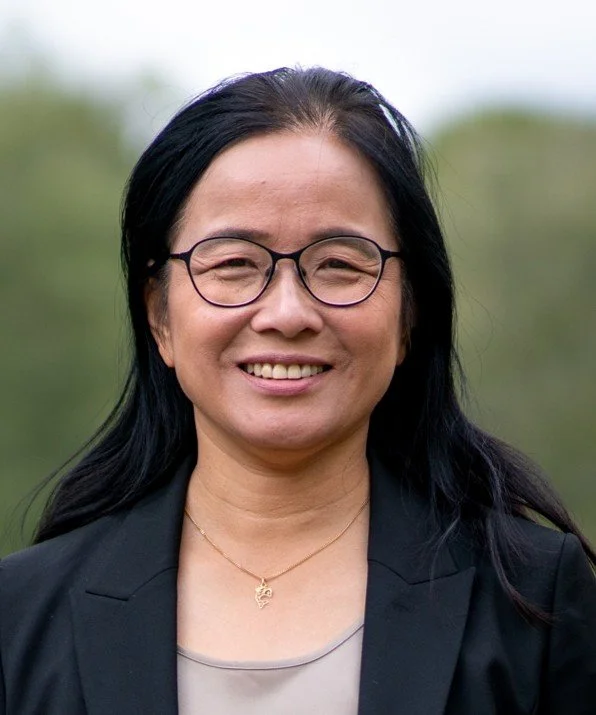
Prof Xiaodong Zou
STOCKHOLM UNIVERSITY
Read MoreXiaodong Zou is a full professor at the Department of Chemistry, Stockholm University. She received her Ph.D. in structural chemistry from Stockholm University in 1995 and became a full professor in 2005.
Zou’s research focuses on the development of electron crystallographic methods and new porous materials. She is a pioneer in developing electron crystallography for structure determination of polycrystalline materials. Her group has developed methods that enable atomic structure determination from crystals too small for conventional single-crystal X-ray diffraction and applied them to a broad range of materials, including zeolites, metal-organic frameworks, covalent organic frameworks, pharmaceuticals, and proteins.
Zou is a Distinguished Professor of the Swedish Research Council, a Wallenberg Scholar, and a Fellow of the Royal Society of Chemistry. She received the IVA Gold Medal in 2024 and is an elected member of both the Royal Swedish Academy of Sciences and the Royal Swedish Academy of Engineering Sciences.
-
Award and Society Guest Lecturers
-

Thomas Ve | Mathieson Medal Recipient
GRIFFITH UNIVERSITY
Read MoreTBC
-
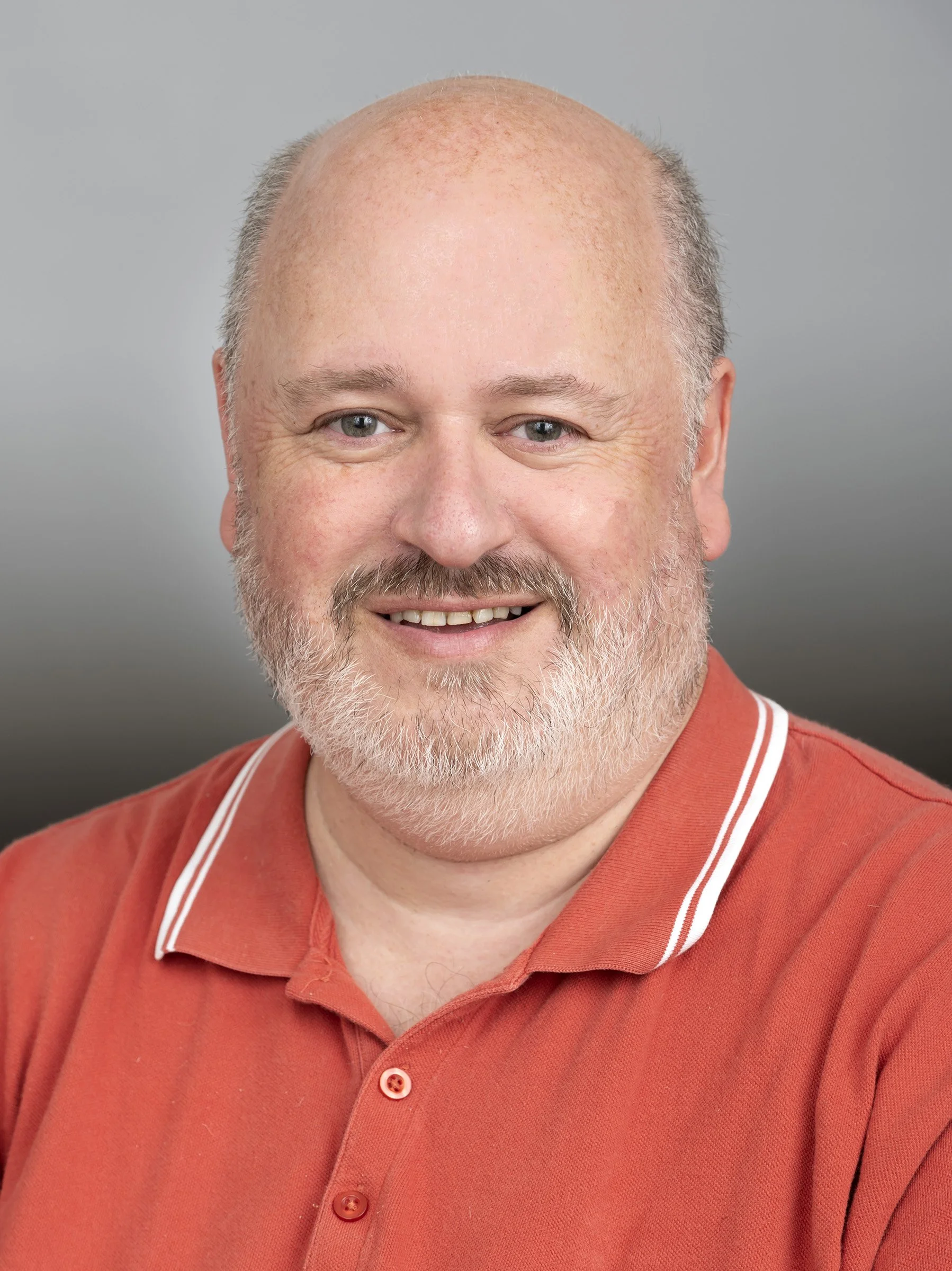
Prof. Stuart Batten | Bragg Medal Winner
Monash University
Read More
Stuart Batten completed his PhD (1996) at the University of Melbourne with Richard Robson and Bernard Hoskins. This was followed by postdoctoral positions at Bristol, Melbourne and Monash, including two Australian Research Council Fellowships. He commenced a Lectureship at Monash in 2006, and has been a full Professor there since 2012. His research, detailed in more than 300 publications, is mainly in the areas of crystal engineering, coordination polymers and MOFs, supramolecular chemistry, inorganic chemistry, and chemical crystallography. His research has attracted over 30,000 citations (h-index = 86), leading to recognition as a Highly Cited Researcher (2014, 2015, 2016) and several other awards, including a Thomson Scientific Citation Award (2008), the Le Fèvre Memorial Prize (2008), and the Rennie Memorial Medal (2002). He is also very active in outreach, particularly with primary and secondary schools, most notably through the elementsets.net and braggyourpattern.com projects. He is also a former President of SCANZ.
-

Dr Lauren Macreadie | SCANZ Mathieson Medal
University of New South Wales
Read MoreMore to come
-
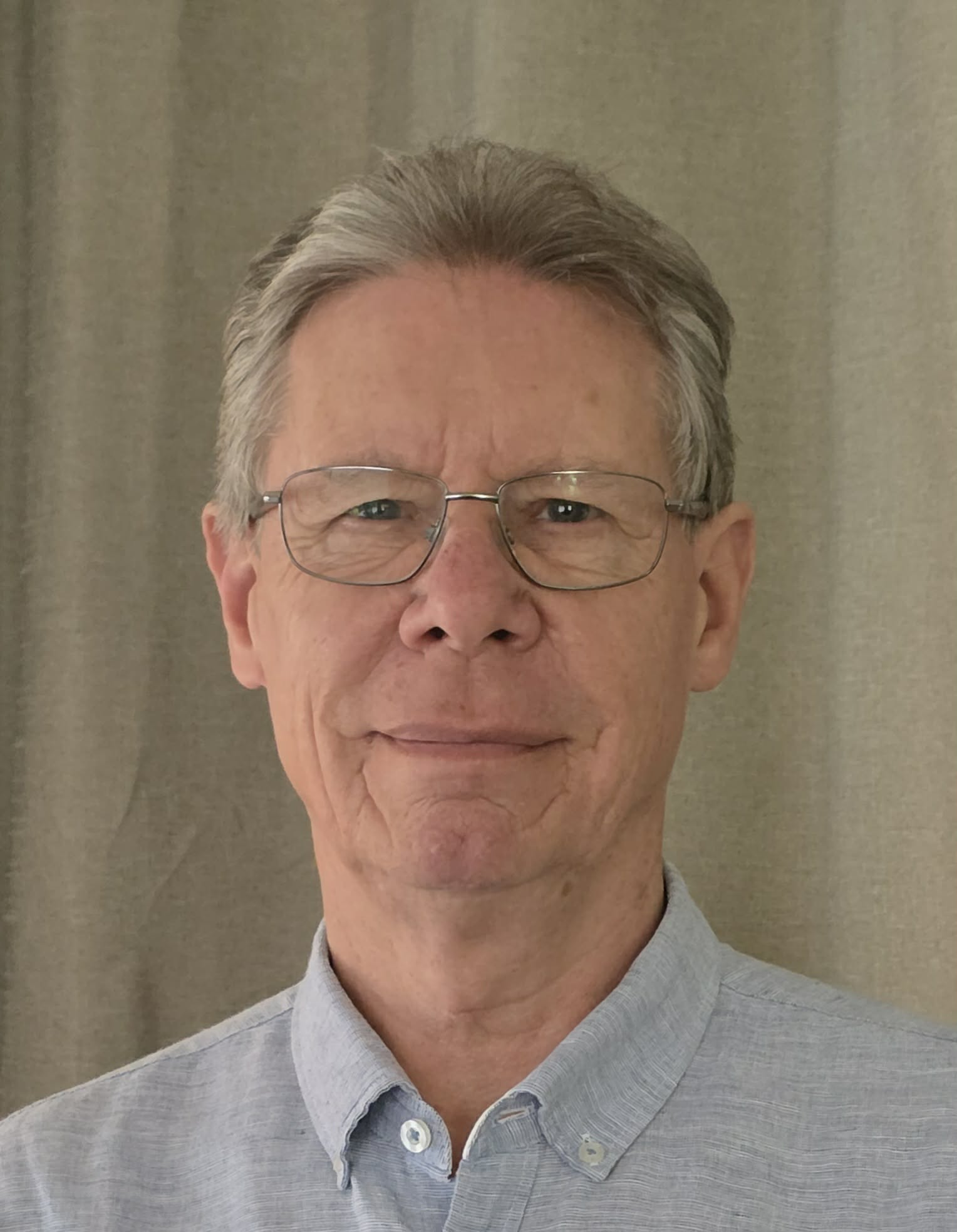
Ian Madsen | AXAA Life Member
Monash University
Read MoreIan Madsen has in excess of 57 years' experience in X-ray analysis which includes XRF and both X-ray powder and single-crystal diffraction.
His research interests include:-
Accuracy in powder diffraction, especially for applications using quantitative phase analysis (QPA).
The optimisation of data-collection strategies for powder diffraction analysis, particularly whole-pattern, Rietveld-based methods.
Science under extreme conditions. Ian has had a long involvement with studies which aim to measure the structural changes taking place under extreme conditions (temperature, pressure, pH etc..), especially those which emulate conditions found in mineralogical processing plants.
He is author or joint author of >100 research papers and 8 book chapters including Chapter 3.9 - Quantitative Phase Analysis in the International Tables for Crystallography, Volume H – Powder Diffraction.
Ian was a long-serving member of (i) AXAA’s National Council, including serving as its president, and (ii) the International Union of Crystallography (IUCr) Commission on Powder Diffraction (CPD).
In February 2008, Ian was the inaugural recipient of the AXAA Bob Cheary Award for Excellence in Powder Diffraction. He was inducted as a Life Member of the AXAA in 2015.
-
Prof Vanessa Peterson | AXAA Life Member
ANSTO | UNIVERSITY OF WOLLONGONG
Read More
Prof Peterson obtained her PhD in 2004 from UTS and ANSTO’s neutron scattering group. She worked at the NIST Center for Neutron Research (USA) and USyd, before returning to ANSTO to commission two neutron diffractometers which she now co-operates. She holds a professorship with the University of Wollongong. Vanessa specialises in understanding materials function and has pioneered real-time characterization methods targeting materials involved in the storage and delivery of energy. Her published work has more than 14000 citations and her H-index is 64.
Vanessa is a lifetime member, elected Fellow, and past President of AXAA, a member of the Australian Academy of Science’s National Committee for Crystallography, a Titular Member of the Analytical Chemistry Division of the International Union for Pure and Applied Chemistry, and Chair of the International Union of Crystallography’s Commission on Neutron Scattering. She is also the Indian-Rim Region Co-regional Chair of the International Centre for Diffraction Data, and a Fellow of both the RSC and the RACI.
-
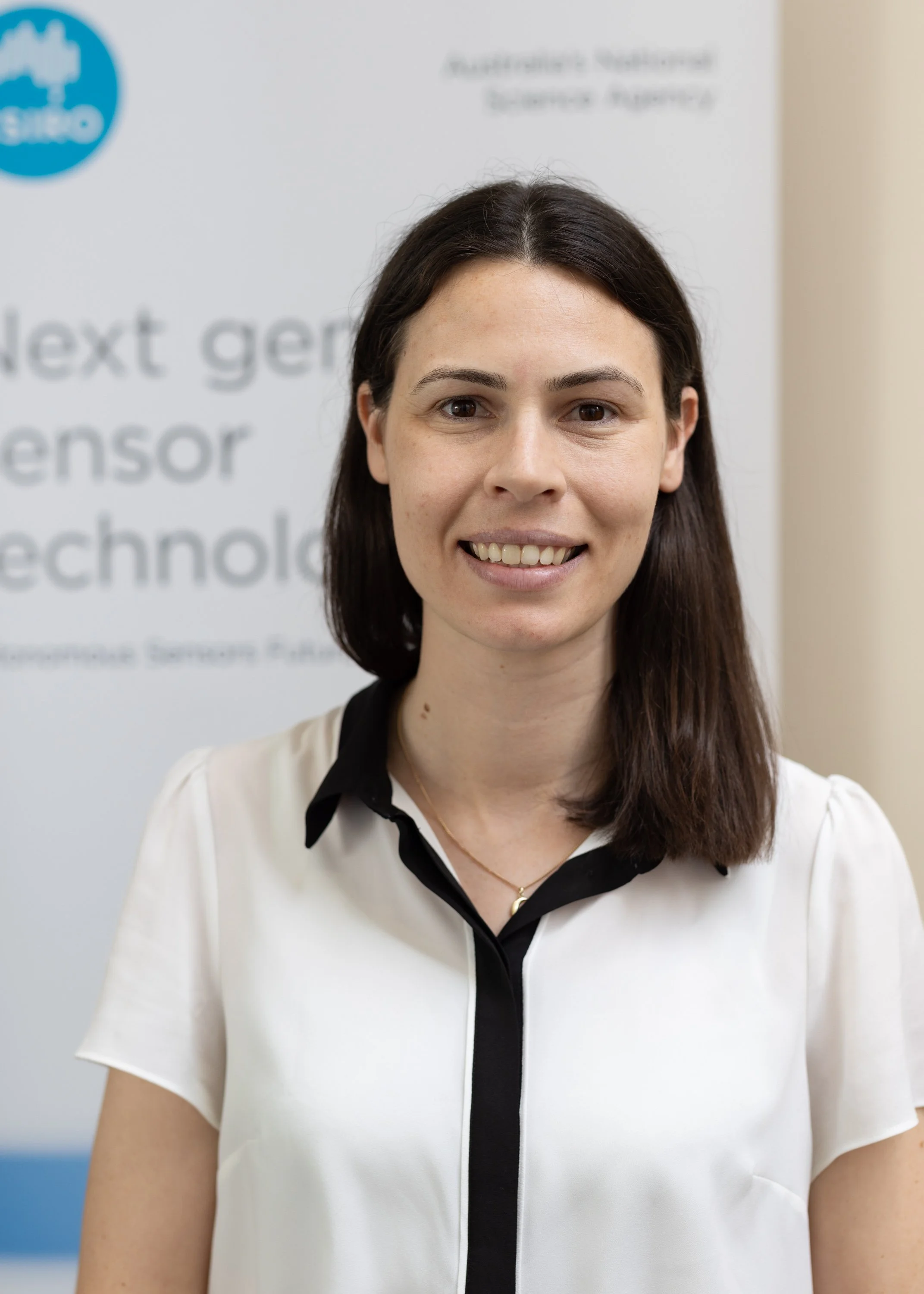
Brianna Ganley
CSIRO
Read MoreDr Brianna Ganly is a transdisciplinary researcher leading the X-ray Science team in the Mineral Resources Research Unit. Brianna is also a member of the Autonomous Sensors Future Science Platform leadership team, managing a portfolio of nine projects as the Sensor Theme leader. Brianna holds a Bachelor of Engineering (Materials Science) and PhD (X-ray Physics) from the University of New South Wales, and draws upon this expertise to develop novel sensing technology across a wide range of industrial applications. The use of X-ray technology for mineral process control is a particular area of expertise for Brianna, however, in more recent roles she has expanded this expertise to include other sectors such as agriculture, environmental monitoring and biosecurity.
Invited Speakers - More to Come!
-
A/Prof. Alastair Stewart
The Victor Chang Cardiac Research Institute
Read More
Alastair is a laboratory head at the Victor Chang Cardiac Research Institute in Sydney, where his group uses structural and biochemical methods to understand membrane proteins. He read the Natural Sciences at the University of Cambridge before completing a PhD in crystallography at UNSW, Sydney. He established his independent laboratory at the Victor Chang Cardiac Research Institute in 2016, and since then he has held three consecutive NHMRC fellowships and received the 2023 Commonwealth Health Minister’s Award for Excellence in Health and Medical Research.
-
Dr Frederick Marlton
University of Technology Sydney
Read MoreDr Frederick Marlton is a Chancellor’s Research Fellow at the University of Technology Sydney (UTS). After completing his Science and Engineering degrees from the Australian National University, he moved to Sydney to complete a PhD at the UNSW with Prof. John Daniels. He then conducted postdocs at Aarhus University with Dr Mads Jorgensen (MAX IV) and the University of Sydney with Profs Chris Ling and Brendan Kennedy. After a brief stint in consulting at Hypercube Scientific, optimising train networks for iron-ore mining, he started his fellowship at UTS in 2023. The focus of Fred’s research is structure property relationships in functional metal-oxide materials. Specifically, he specialises in understanding the local structure via neutron and X-ray pair distribution function (PDF) analysis. This has been applied to a variety of interesting materials, such as perovskite ferroelectrics, scheelite photocatalysts and pyrochlore ionic conductors. In 2024 he was a Fulbright scholar at Stanford University for 6 months, working with Prof. Hemamala Karunadasa on halide perovskites.
-
Matthew Evans
Flinders University
Read More
Matthew J. Evans obtained his PhD in 2022 under the helm of Prof. Martyn Coles and Dr Mathew Anker. He subsequently joined the research group of Prof. Cameron Jones where he worked as Postdoctoral Research Associate until January 2026. Matthew is now an ARC DECRA Fellow at Flinders University, where his research focusses on the rich and expansive chemistry of environmentally benign main-group elements.
-
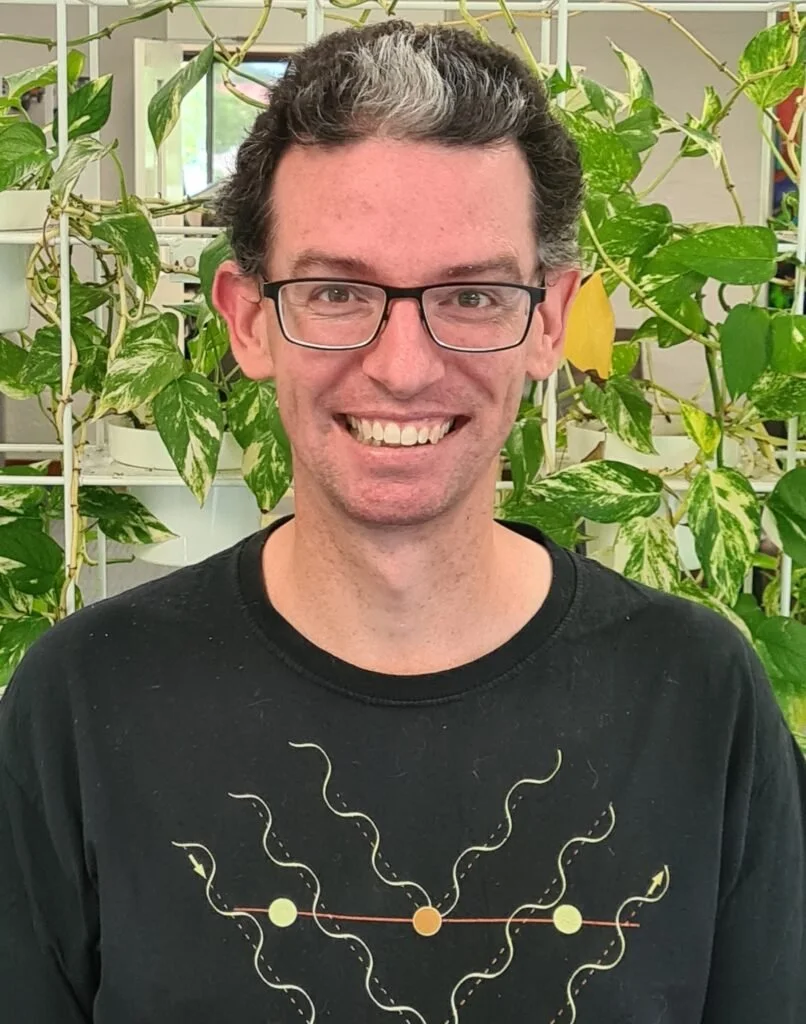
Dr Matthew Rowles
Microanalysis Australia
Read More
With an extensive background in materials characterisation, Matthew is a seasoned professional well-versed in utilising advanced tools such as X-ray diffraction and fluorescence (XRD/XRF). Matthew’s skills extend beyond the laboratory, encompassing strong verbal and written communication capabilities tailored to diverse audience levels. Matthew has actively contributed to the design, production, and utilisation of specialised equipment, including furnaces and in situ sample cells for X-ray diffraction. His expertise in client negotiations and vendor management reflects a solutions-oriented approach, providing turn-key solutions tailored to meet the analytical requirements of customers. He excels in communicating with stakeholders at all levels, effectively conveying both the scientific and business significance of analytical equipment. With a doctoral qualification in Physics/Materials Science, Matthew brings a wealth of experience as a scientific researcher, demonstrating proficiency in experimental conception, design, planning, and implementation, particularly in X-ray and neutron diffraction.
-
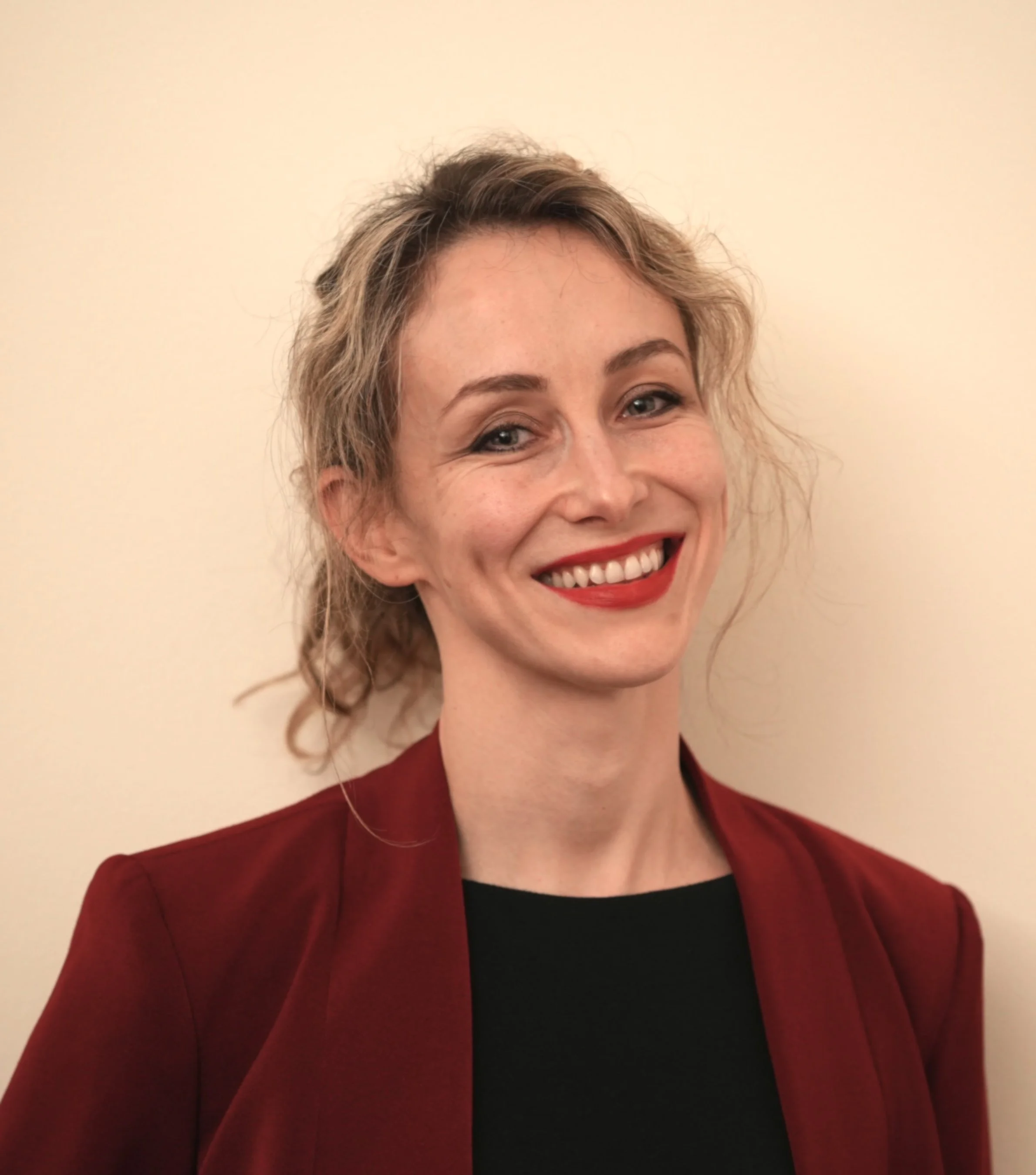
A/Prof Nadia Zatsepin
Department of Physics and Astronomy, Swinburne University of Technology
Read More
Associate Professor Nadia Zatsepin is an ARC Future Fellow in the Department of Physics and Astronomy at Swinburne University of Technology. She is an internationally recognised expert in serial crystallography, developing methods for determining atomic-resolution biomolecular structures under near-physiological conditions. Her research spans X-ray free-electron lasers (XFELs), synchrotron science, instrumentation, software development and experimental design, with applications in understanding the structure and dynamics of proteins and other macromolecules. Following a PhD at Monash University, she held research appointments at Arizona State University and La Trobe University before joining Swinburne. Her work has contributed to major advances in XFEL and synchrotron serial crystallography and their applications to structural biology.
-
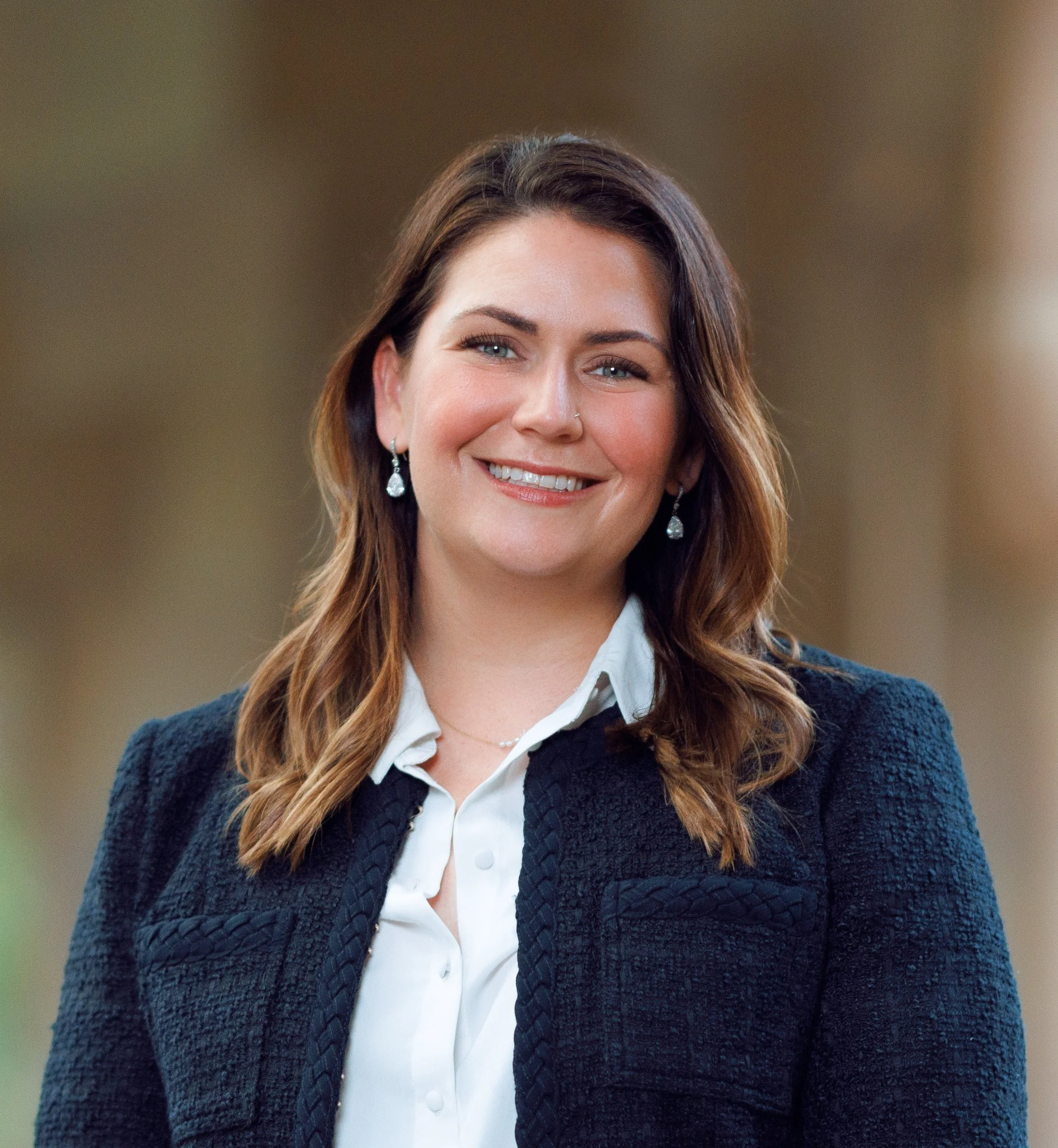
Dr Rosemary Cater
University of Queensland’s Institute for Molecular Bioscience
Read More
Dr. Rosemary Cater is a Senior Research Fellow and Group Leader at the University of Queensland’s Institute for Molecular Bioscience in Australia. She fulfilled her Ph.D. under the supervision of Prof. Renae Ryan at the University of Sydney, where she used electrophysiology and x-ray protein crystallography to understand how glutamate transporters serve a secondary function as chloride channels. She then went on to complete her post-doctoral training in the lab of Prof. Filippo Mancia at Columbia University, where she used single-particle cryo-electron microscopy and antigen-binding technology to determine structures of small membrane proteins. The overarching goal of the Cater Lab is to understand the molecular mechanisms of nutrient transport at the blood-brain barrier, and how variations to this are implicated in different diseases states.
Dr Cater is a current ARC DECRA Fellow, and has received several prestigious awards and fellowships, for her research including the New York Academy of Sciences Blavatnik Regional Award (2022) and the Eppendorf & Science Journal Award for Neurobiology (2024).
-
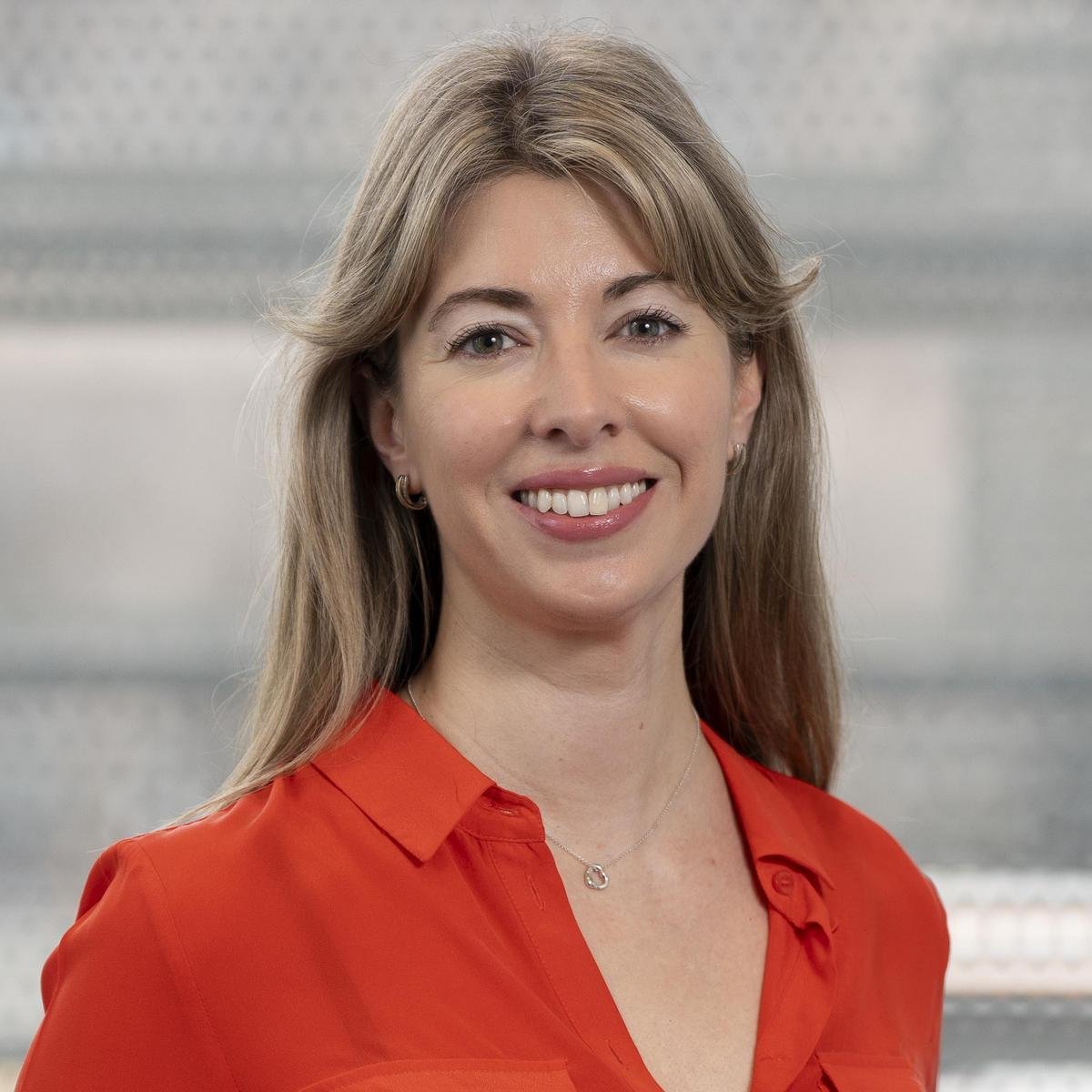
Dr Sylvie Callegari
Walter and Eliza Hall Institute of Medical Research
Read More
Dr. Sylvie Callegari is a recently appointed lab head at WEHI, studying the role of ubiquitin in mitochondrial quality control. Dr Callegari completed her PhD at the University of South Australia before moving to Göttingen, Germany for a postdoctoral position in mitochondrial biochemistry in the lab of Prof. Peter Rehling, where she focussed on mitochondrial quality control and protein import into mitochondria. In 2019, she joined Prof. David Komander's lab (WEHI) as a Senior Research Officer, where she led the team that uncovered the structure and activation mechanism of the Parkinson’s disease-linked protein PINK1 that acts as a beacon for mitochondrial damage (Callegari et al. Science 2025), for which the team were awarded the 2025 Eureka Prize for Scientific Discovery.
-
Dr Thanh Ha Nguyen
NST-NMRTG and ANSTO, Australia
Read More
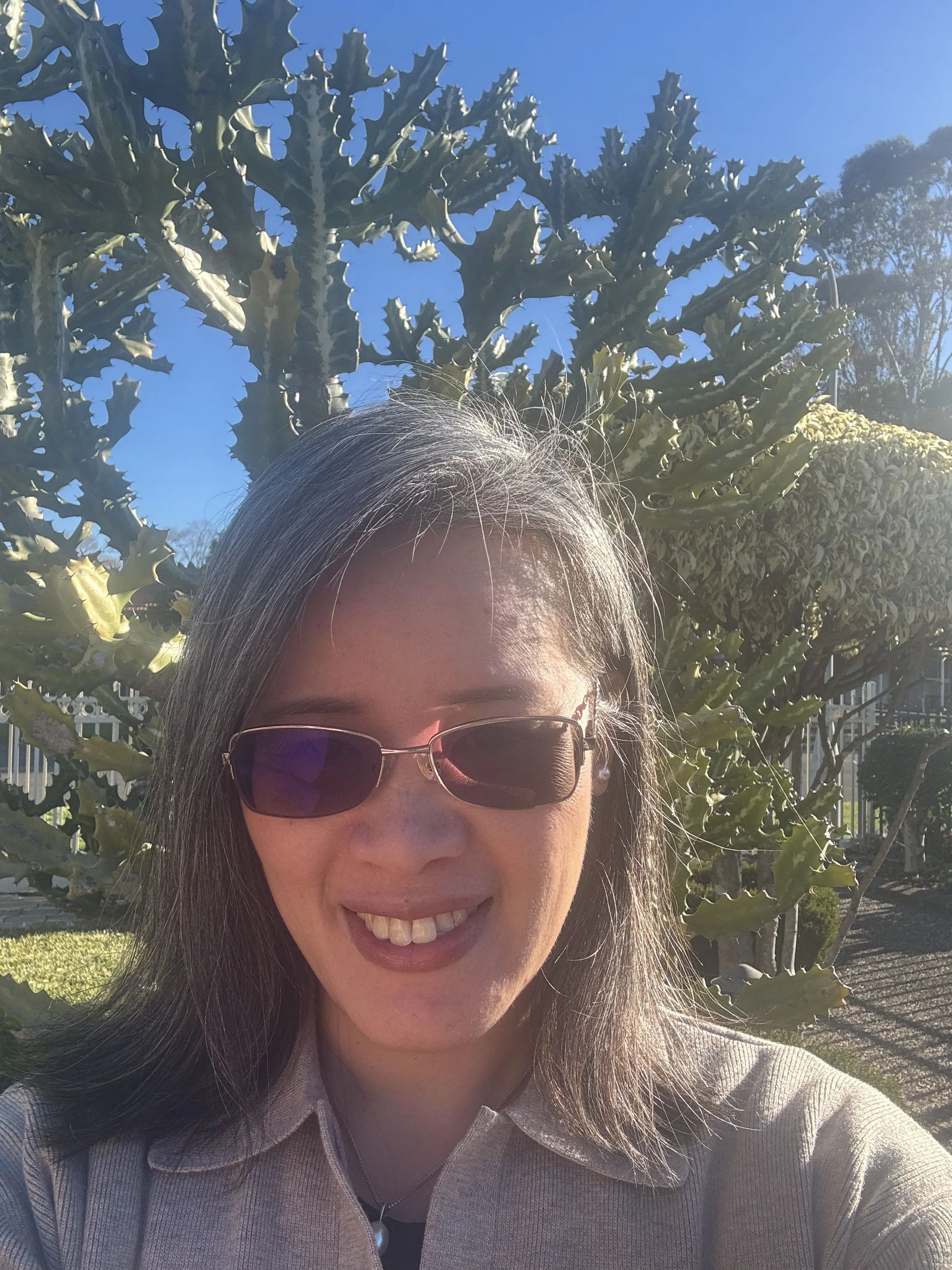
Dr. Thanh Ha Nguyen is a Materials Researcher at ANSTO with over 15 years of experience in crystallography, X-ray diffraction (XRD), and materials characterization. She received her PhD from the University of Sydney in 2008 and completed postdoctoral research at HKUST (Hong Kong University of Science and Technology) before joining Bruker AXS as a Single Crystal X-ray Diffraction Application Scientist in Singapore. Her expertise includes XRD, SC-XRD and crystal structure determination. More recently, her work has focused on applying PONKCS-based diffraction methods to quantify glass composition and amorphous content in nuclear wasteforms, supporting the development and evaluation of durable waste immobilization technologies.
-
Dr William Dichtel
Northwestern University
Read More
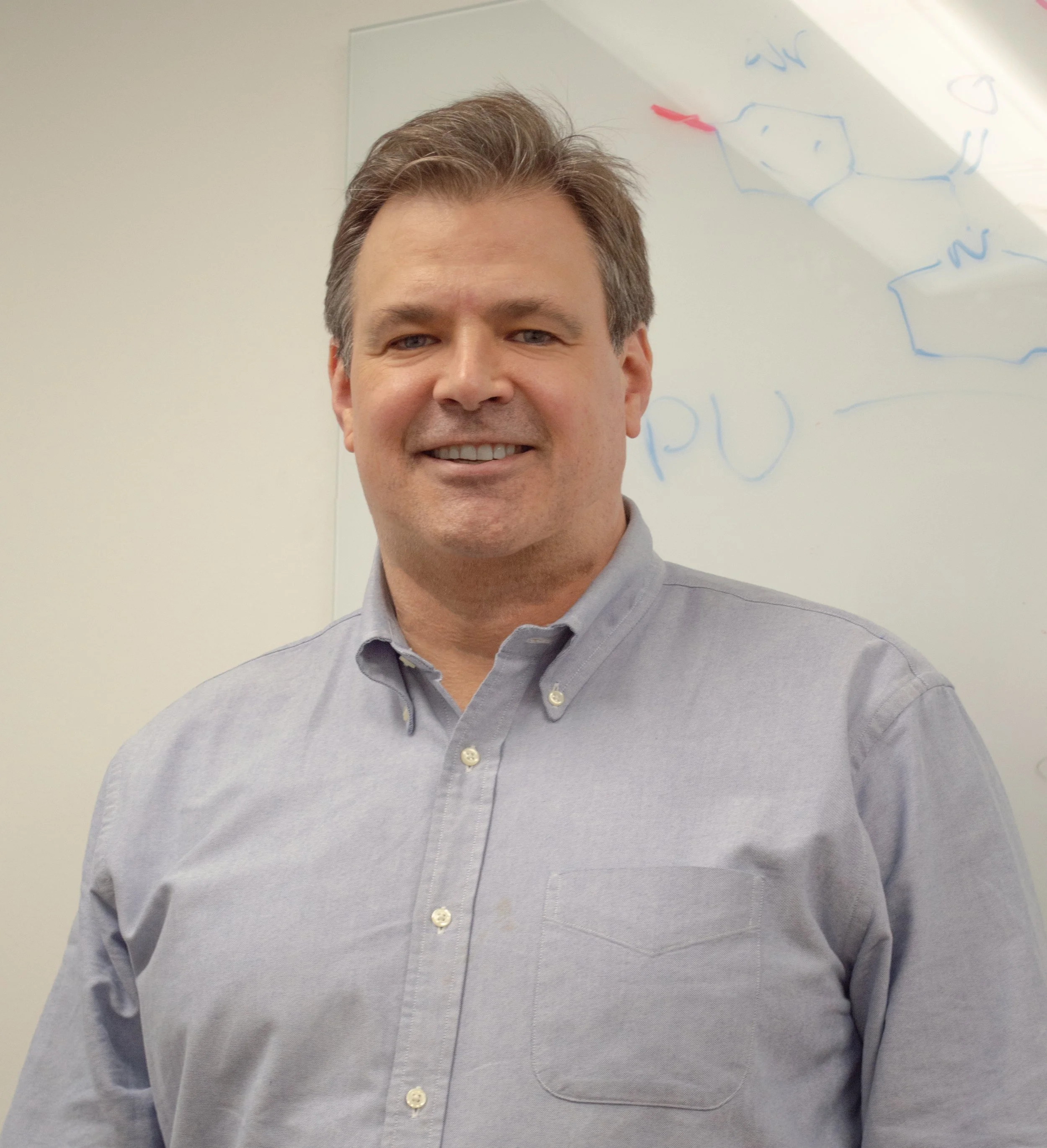
Will was born in Houston, Texas, but spent most of his impressionable years growing up in Roanoke, Virginia. Roanoke is located in the heart of the Blue Ridge Mountains and features the world’s second largest man-made star, lit up every night for your viewing pleasure.
He was an undergraduate student at MIT, where he majored in chemistry and was fortunate to gain his first research experience working in the laboratory of Prof. Tim Swager. Will then moved to UC-Berkeley for graduate school, where he earned his Ph.D. for investigating light harvesting macromolecules under the supervision of Prof. Jean M. J. Fréchet. He next moved to Los Angeles for a joint postdoctoral appointment with Prof. Fraser Stoddart, then at UCLA, and Prof. Jim Heath at Caltech. There his research focused on developing efficient strategies for the synthesis of mechanically interlocked compounds and incorporating these molecules onto surfaces and into solid-state devices. Prof. Dichtel began his independent career in the Department of Chemistry and Chemical Biology at Cornell University in 2008 and was promoted to the rank of Associate Professor in 2014. He moved to Northwestern University in the summer of 2016 as the Robert L. Letsinger Professor of Chemistry.